How Often Should Homeowners Pump Their Septic Tank? Warning Signs You Shouldn’t Ignore
January 30, 2026
Maintaining a septic system is an essential, yet often overlooked, aspect of homeownership. A well-functioning septic tank ensures that wastewater is treated safely, protecting your property, health, and the environment. However, many homeowners underestimate the importance of regular maintenance, which can lead to costly repairs, environmental hazards, and unpleasant sanitation issues. Understanding when and how often to pump your septic tank is crucial for prolonging its lifespan and preventing system failures.
The timing of septic tank pumping depends on various factors, including household size, water usage, and the type of tank installed. Neglecting routine pumping can cause sludge and scum to accumulate, ultimately resulting in blockages, slow drainage, and potential contamination. Moreover, recognizing early warning signs of septic problems is key to avoiding emergencies that disrupt daily life and can damage your property. In this comprehensive guide, we will explore how frequently homeowners should schedule septic tank pumping, highlight common warning signs of system trouble, and provide actionable tips for keeping your septic system running efficiently. Whether you are a first-time homeowner or simply looking to optimize your septic maintenance routine, this information is essential to protect your investment and ensure a safe, functional home environment.
Warning Signs of Septic Tank Problems
Slow Drains and Backups
One of the earliest signs of a failing septic system is slow drainage in sinks, showers, and toilets. Water may drain sluggishly, or multiple fixtures might back up simultaneously. These issues often indicate that the tank is nearing capacity or that the drainfield is clogged. Prompt pumping can resolve many minor blockages before they escalate.
Foul Odors
Persistent sewage odors around the property or near the septic tank are clear warning signals. Odors can emerge from vent pipes, drains, or the drainfield and often indicate that waste is not being properly treated. Ignoring these smells can lead to serious health risks and environmental contamination.
Standing Water or Lush Grass Over the Drainfield
Unusual patches of green, wet grass near the drainfield can signal effluent surfacing due to a clogged tank or failing soil absorption. While healthy grass may appear attractive, it can indicate that untreated wastewater is leaking into the surface, posing contamination risks.
Gurgling Sounds
Uncommon gurgling noises in plumbing fixtures may indicate air trapped in the system, often caused by blockages or sludge buildup. While minor gurgles can sometimes be ignored, persistent or worsening sounds should be inspected by a professional immediately.
System Age and Neglect
Older systems or those that have not been regularly pumped are more prone to failure. Tanks made of concrete, steel, or plastic have finite lifespans, and worn baffles or pipes can exacerbate problems. Routine maintenance is key to extending the life of older septic systems.
Best Practices for Septic Tank Maintenance
Regular Inspections and Pumping
Scheduling routine inspections every 1–3 years ensures early detection of issues. Measuring sludge and scum levels allows professionals to determine whether pumping is necessary. Maintaining a record of inspections and pumping services also helps track the system’s health over time.
Mindful Water Usage
Excessive water usage can overload the septic tank and drainfield, accelerating system failure. Homeowners should spread laundry loads throughout the week, fix leaks promptly, and consider water-saving fixtures to reduce unnecessary stress on the system.
Proper Waste Disposal
Septic systems are designed to handle human waste and toilet paper only. Flushing items such as wipes, feminine hygiene products, grease, or harsh chemicals can disrupt bacterial activity and clog pipes. Educating household members on what can and cannot be disposed of helps preserve system function.
Landscaping Considerations
Avoid planting trees or large shrubs near the drainfield, as roots can infiltrate pipes and cause blockages. Likewise, prevent heavy vehicles or construction equipment from driving over the system to avoid damaging the tank or soil absorption area.
Seasonal Considerations
Homeowners in colder climates should be aware of how freezing temperatures may affect septic operations. Insulating pipes and drainfield areas can prevent damage during winter months. Conversely, during heavy rainfall, monitor areas prone to flooding to avoid water infiltration into the tank or drainfield.
Emergency Planning
Having a plan for potential septic emergencies is essential. This includes knowing the location of your tank and drainfield, having a trusted septic service provider on call, and avoiding practices that could exacerbate problems when a warning sign arises.
Environmental and Financial Implications
Protecting Water Sources
A failing septic system can contaminate groundwater, streams, and nearby wells with harmful bacteria, nitrates, and pathogens. Regular pumping reduces the risk of untreated effluent entering the environment, protecting both public health and local ecosystems.
Cost Savings
Neglecting septic maintenance can lead to expensive repairs or complete system replacement. Replacing a drainfield or tank can cost thousands of dollars, whereas routine pumping and inspections are relatively affordable. Preventive care is a financial investment that mitigates unexpected expenditures.
Home Value Considerations
A well-maintained septic system can enhance property value and facilitate smooth real estate transactions. Buyers are more confident purchasing homes with documented septic maintenance records, knowing they are less likely to encounter system failures after moving in.
Long-Term System Longevity
Regular care, mindful water usage, and proper waste disposal extend the functional lifespan of a septic system. Homeowners who follow best practices not only avoid emergencies but also ensure their septic system operates efficiently for decades.
Expertly Managed Septic Services for Peace Of Mind
Understanding Your Septic System
Components of a Septic System
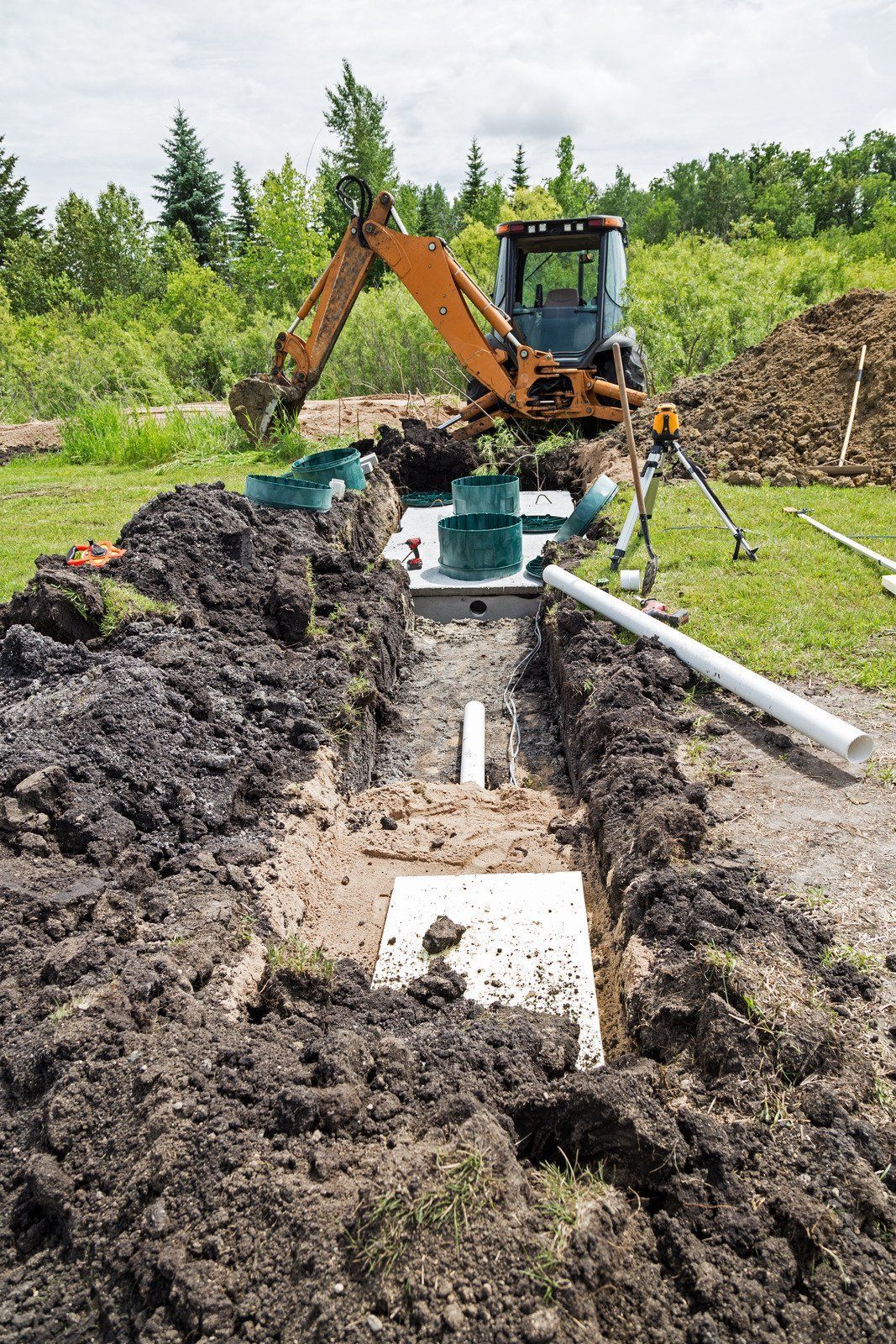
A standard septic system consists of three main components: the tank, the drainfield (or leach field), and the soil absorption area. The septic tank stores wastewater long enough for solids to settle at the bottom, forming sludge, while oils and lighter materials float to the top as scum. The liquid in the middle, called effluent, flows into the drainfield, where it percolates through the soil for further treatment. Each component plays a critical role in the system’s overall function. If one part fails, it can compromise the entire system.
How Septic Tanks Work
Septic tanks rely on natural bacterial activity to break down waste, reducing the volume of solids. Over time, however, sludge and scum accumulate faster than bacteria can digest them. This buildup decreases the tank’s storage capacity and can force solids into the drainfield, leading to clogs and soil contamination. Understanding this process helps homeowners grasp why regular pumping is necessary and why ignoring maintenance can lead to serious environmental and financial consequences.
Factors Affecting Pumping Frequency
Several variables influence how often a septic tank should be pumped. Household size, water usage, and the tank’s capacity all affect sludge accumulation rates. For example, a family of six will fill the tank faster than a single occupant. Similarly, homes with garbage disposals or high water consumption may require more frequent pumping. Soil type and system design also play a role. Homeowners who monitor these factors can create a proactive maintenance schedule, avoiding the costly and disruptive consequences of system failure.
How Often Should You Pump Your Septic Tank?
General Recommendations
Most experts suggest pumping a residential septic tank every three to five years. However, this is a general guideline, and individual circumstances may vary. Tanks with larger capacities or households with fewer occupants may go longer between services, while smaller tanks or high-usage homes might need annual pumping. Regular inspections are crucial to determine the exact schedule, as relying solely on a set timeframe may not account for unexpected usage patterns or tank conditions.
Real-World Examples
Consider a family of four with a 1,000-gallon septic tank. According to standard recommendations, this tank should be pumped approximately every three years. In contrast, a couple living in a similar home might extend the interval to four or five years. Similarly, commercial properties or vacation homes with seasonal use may follow a different maintenance plan. Homeowners who adjust pumping schedules based on actual usage and professional advice can prevent unnecessary costs while protecting their system.
Professional Guidance
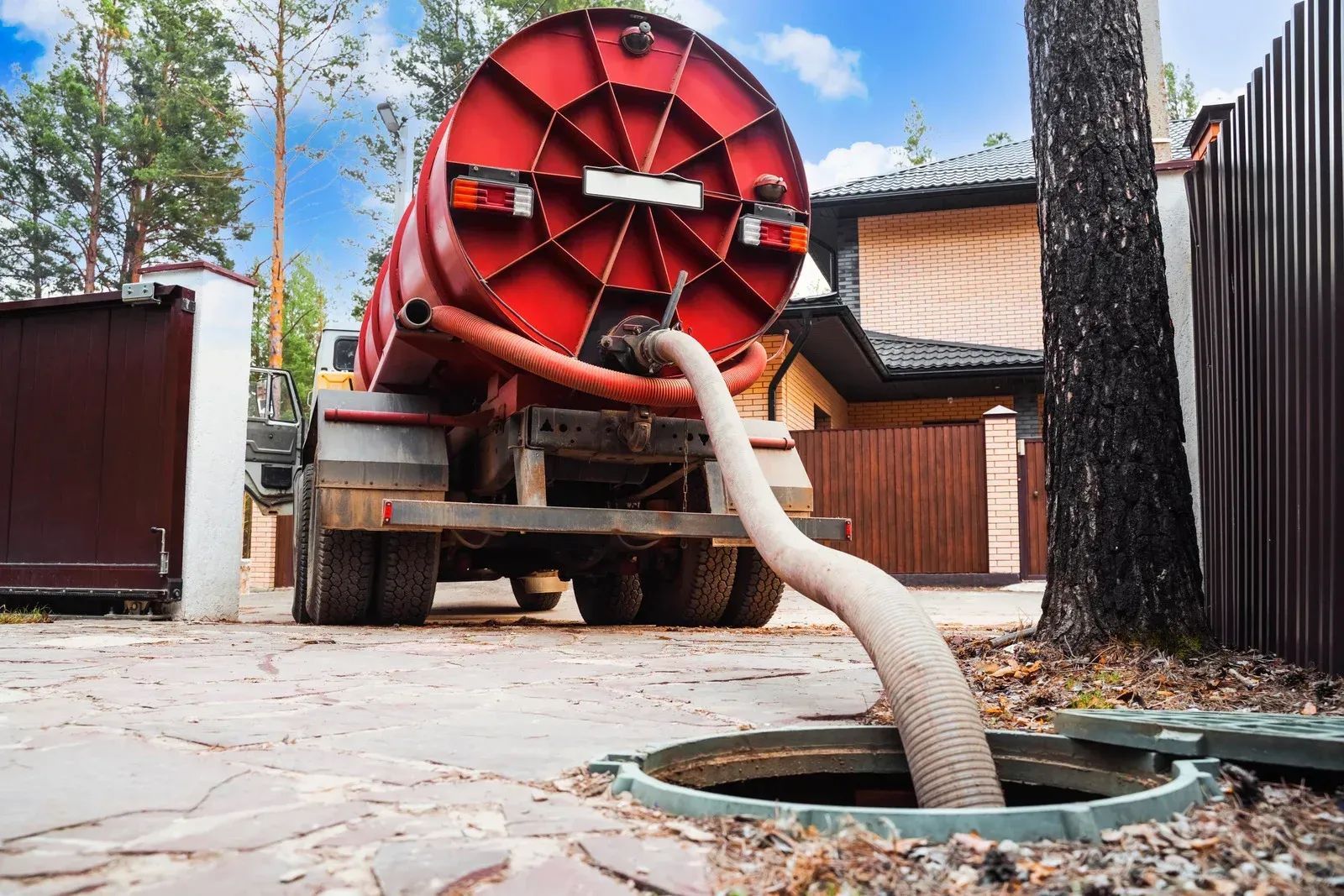
A licensed septic service provider can assess sludge levels, tank capacity, and system health to recommend a tailored pumping schedule. Inspections often involve measuring the depth of scum and sludge layers, checking for leaks, and evaluating the drainfield’s performance. Homeowners who engage professionals not only ensure proper maintenance but also identify potential issues early, reducing the likelihood of emergency repairs and environmental hazards.
Maintaining a septic system is an indispensable part of responsible homeownership. Regular pumping, attentive monitoring for warning signs, and following best practices help prevent costly repairs, environmental hazards, and sanitation issues. By understanding how septic tanks operate, recognizing early indicators of failure, and implementing proactive maintenance strategies, homeowners can ensure their systems remain functional, efficient, and safe. Slow drains, foul odors, standing water, and gurgling sounds should never be ignored, as timely intervention is critical to protecting property and health.
For homeowners in Troy, Ohio, Simply Septic
provides over 25
years of trusted expertise in septic pumping and cleaning. Our team specializes in inspecting, maintaining, and
pumping septic systems
efficiently and safely, helping residents prevent costly emergencies while preserving system longevity. With decades of hands-on experience, Simply Septic
combines professional service with local insight, delivering reliable solutions tailored to each property’s needs. Whether routine maintenance or emergency care is required, our knowledgeable staff ensures every customer receives top-tier attention, reinforcing our reputation as the area’s dependable septic authority.