Residential Septic Pumping: What to Expect, Costs, and How to Choose a Reliable Provider
February 24, 2026
Maintaining a residential septic system is a critical aspect of homeownership that often goes overlooked until problems arise. Septic tanks handle the collection, treatment, and disposal of household wastewater, ensuring that plumbing functions efficiently while protecting both property and the environment. Regular septic pumping is essential to prevent backups, overflows, and costly repairs. Homeowners who understand the process, associated costs, and criteria for selecting a reliable service provider are better equipped to protect their investment and maintain a healthy, functioning system.
Despite its importance, many homeowners are unsure what septic pumping entails or how frequently it should occur. The process involves safely removing accumulated sludge and scum from the tank, inspecting the system for potential issues, and ensuring that the drain field remains functional. With proper maintenance, septic systems can last for decades, providing reliable service without interruption. This blog will guide homeowners through the essentials of residential septic pumping, explain cost factors, outline what to expect during service, and provide expert tips for selecting a trustworthy provider. By understanding these aspects, homeowners can proactively manage their septic systems, avoid emergencies, and extend the lifespan of their investment.
Residential Septic Pumping Costs
Factors Affecting Cost
Septic pumping costs vary depending on several factors. Tank size is the most significant determinant, as larger tanks require more time, labor, and equipment to pump. The level of waste accumulation also affects pricing, with heavily filled tanks requiring additional effort. Location and accessibility can influence cost; tanks situated in hard-to-reach areas, beneath landscaping, or behind structures may increase labor time and charges.
Average Cost Range
For most residential systems, the average cost for septic pumping ranges between $250 and $600. Smaller tanks serving 1–3-bedroom homes generally fall on the lower end of the spectrum, while larger systems for multi-bedroom homes may approach or exceed the higher range. Some providers include inspection, minor repairs, or tank cleaning in the price, while others may charge separately for these additional services.
Tips to Manage Costs
Homeowners can manage expenses by scheduling routine maintenance rather than waiting for emergency pumping, which tends to be more expensive. Comparing quotes from multiple providers, checking for licenses and insurance, and understanding what each service includes can prevent surprise fees. Some regions also offer rebates or incentives for septic system maintenance, providing additional cost-saving opportunities. Investing in regular septic pumping is a proactive approach that reduces the likelihood of costly emergency repairs, ultimately saving homeowners money and stress.
Choosing a Reliable Septic Pumping Provider
Credentials and Experience
Selecting a trustworthy provider is essential to ensure safety, compliance, and long-term system health. Homeowners should prioritize companies with proper licensing, insurance coverage, and a proven track record in residential septic services. Experienced providers are better equipped to identify system issues, recommend preventative measures, and execute pumping with minimal risk of damage.
Reviews and Recommendations
Word-of-mouth referrals, online reviews, and local ratings provide valuable insights into a company’s reliability and professionalism. Homeowners can ask neighbors or community groups for recommendations and review testimonials that highlight punctuality, quality of service, and customer care.
Service Transparency
A reliable provider will clearly explain the scope of work, cost estimates, and any potential additional charges before starting the job. Transparency in service agreements ensures homeowners are aware of what is included, including inspections, minor repairs, or follow-up recommendations. Companies that provide detailed invoices and maintenance schedules demonstrate accountability and professionalism, building trust and long-term relationships.
Safety and Environmental Considerations
Responsible septic service providers prioritize safety and environmental protection. This includes proper handling and disposal of waste, minimizing risk to property and surrounding ecosystems. Providers should follow local regulations for wastewater management and adopt practices that protect soil and groundwater from contamination. Choosing a provider committed to both homeowner safety and environmental stewardship ensures sustainable septic system management.
Common Challenges and Best Practices
Challenges in Residential Septic Maintenance
Septic systems face challenges such as excessive water usage, non-biodegradable waste disposal, root intrusion, and aging infrastructure. Overloading the system with water from appliances or failing to limit harmful chemicals can disrupt the natural treatment process, leading to clogs or drain field failure. Additionally, older systems may require more frequent inspections and repairs to maintain efficiency.
Best Practices for Homeowners
Homeowners can adopt several best practices to extend the life of their septic system:
- Regular Pumping: Follow a schedule based on tank size and household usage.
- Water Conservation: Avoid excessive water flow into the system to prevent overloading.
- Proper Waste Disposal: Do not flush non-biodegradable items, grease, or harsh chemicals.
- Drain Field Protection: Avoid parking or building over the drain field to prevent compaction or damage.
- Routine Inspections: Engage professionals for periodic system checks to catch early signs of wear or failure.
By adhering to these practices, homeowners can reduce costly repairs, maintain system efficiency, and ensure compliance with health and environmental standards. Proactive care safeguards both the property and the community’s water quality.
Comprehensive Septic Pumping Services With Proven Reliability
Understanding Residential Septic Systems
How a Septic System Works
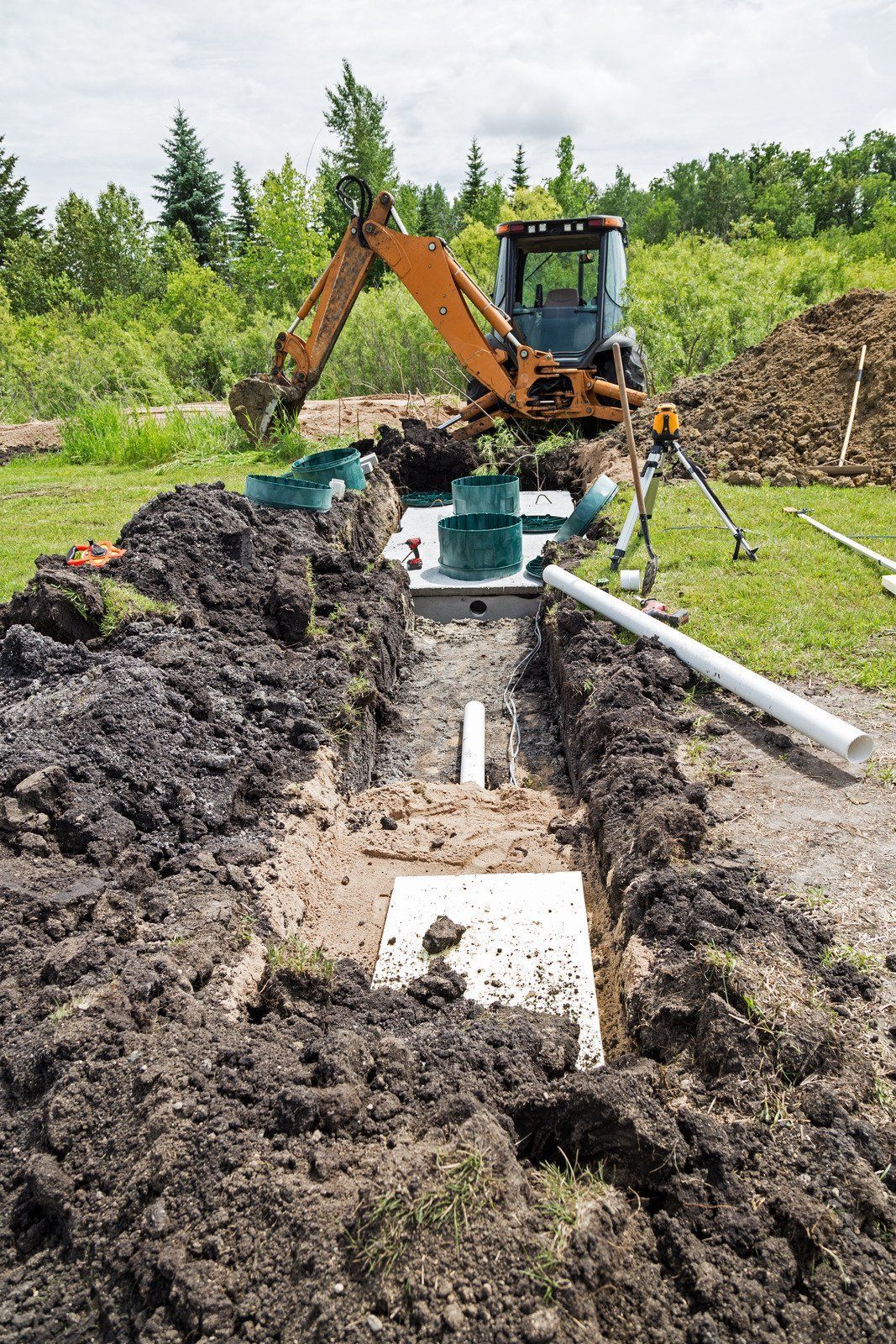
A residential septic system is an underground wastewater treatment structure commonly used in homes that lack centralized sewer connections. It consists of a septic tank, drain field, and associated piping. Wastewater from sinks, toilets, showers, and appliances flows into the tank, where solids settle at the bottom to form sludge, while oils and grease float to the top as scum. The clarified liquid in between, called effluent, is discharged into the drain field, where soil naturally filters and treats it before reentering the groundwater system.
Understanding this process is key to appreciating the importance of septic pumping. Over time, sludge and scum accumulate, reducing the tank’s capacity and potentially causing blockages or overflows. A full or neglected tank can lead to system failures, costly repairs, and environmental hazards. Regular pumping removes this buildup, restores the tank’s functionality, and prevents damage to both the drain field and surrounding landscape.
Signs Your Septic Tank Needs Pumping
Homeowners should be aware of early warning signs indicating the need for septic service. Common indicators include slow-draining sinks or toilets, gurgling sounds in plumbing, foul odors around the property, wet spots in the yard, and unusually lush patches of grass over the drain field. Ignoring these signs can escalate into emergency situations that require extensive excavation and repair. By recognizing the symptoms early, homeowners can schedule preventative pumping, ensuring the system continues to operate efficiently.
Benefits of Routine Maintenance
Routine septic pumping offers several tangible benefits. It reduces the risk of blockages, protects the structural integrity of the tank, extends the lifespan of the drain field, and ensures compliance with local health and safety regulations. Additionally, regular maintenance can prevent expensive repairs and disruptions to daily life, offering peace of mind to homeowners who rely on the system daily.
What to Expect During Septic Pumping
The Septic Pumping Process
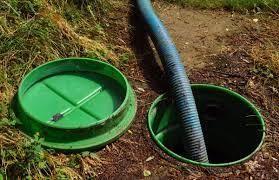
Septic pumping is a professional procedure designed to safely remove accumulated waste from the tank. The process begins with a thorough inspection to assess tank condition, identify potential damage, and confirm the volume of waste. Technicians then use a vacuum truck to extract sludge, scum, and partially treated effluent from the tank, carefully preventing spills or contamination. After pumping, the tank is often inspected for leaks, cracks, or blockages that may compromise functionality. Some providers also offer additional services, such as cleaning baffles or inspecting the drain field lines.
Duration of Service
The time required for septic pumping varies depending on the tank size, level of buildup, and system complexity. For a standard residential system, most professionals complete the service within 1 to 3 hours. Larger or older systems with significant buildup may take longer. Homeowners should plan for technicians to access the tank safely and ensure that vehicles or landscaping are not obstructing entry points.
Post-Service Recommendations
After pumping, homeowners may notice temporary changes, such as slight odors or residual moisture around the tank area. Technicians typically provide guidelines on water usage and general care to avoid overloading the system immediately following service. Maintaining a schedule for regular inspections and pumping—typically every 3 to 5 years depending on household size and usage—ensures the system continues to operate efficiently.
Residential septic pumping is an essential maintenance practice that protects both home plumbing and the surrounding environment. Understanding how a septic system works, recognizing signs of potential problems, and knowing what to expect during service allows homeowners to make informed decisions and avoid emergencies. Costs vary depending on tank size, location, and service complexity, but regular maintenance provides long-term savings by preventing system failures. Selecting a reliable provider with proper credentials, experience, and transparency is critical to ensuring safety and effective waste management.
For homeowners in Troy, Ohio, Simply Septic
stands out as a trusted authority in septic pumping and cleaning. With over 25
years of experience, Simply Septic
combines expert knowledge, modern equipment, and a customer-focused approach to deliver reliable, efficient service. The team ensures each septic system is thoroughly inspected, pumped, and maintained to extend its lifespan and prevent costly repairs. Committed to safety, professionalism, and environmental responsibility, Simply Septic
offers homeowners peace of mind, dependable service, and a partner they can trust for all their residential septic needs.