Why Commercial Properties Need More Frequent Septic Pumping Than Homes
March 19, 2026
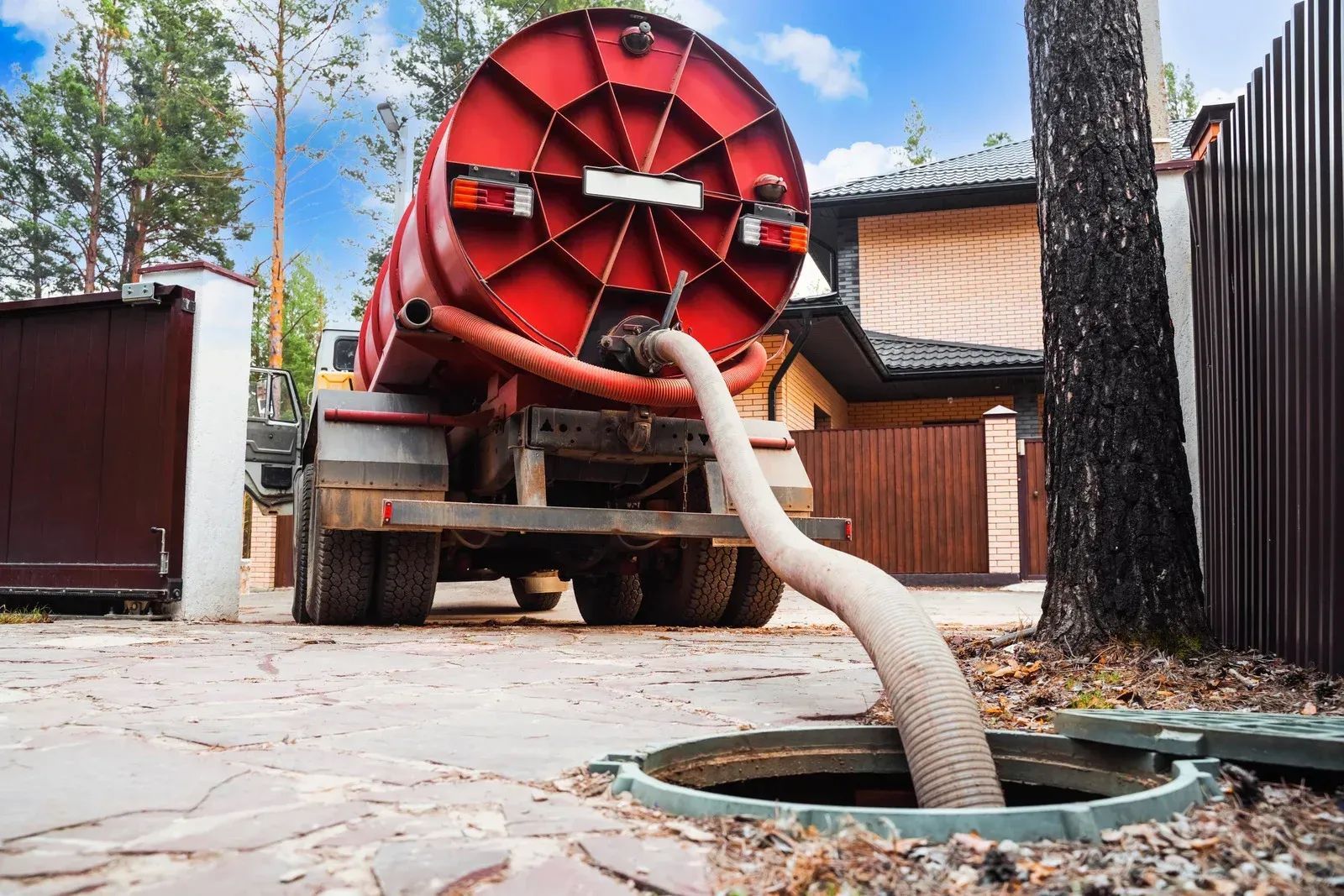
Maintaining a properly functioning septic system is a critical aspect of property management, yet many commercial property owners underestimate its importance. Unlike residential homes, commercial properties experience higher volumes of wastewater due to increased occupancy, employee use, and customer traffic. This elevated demand places additional strain on septic systems, accelerating the accumulation of solids in the tank and increasing the likelihood of clogs, backups, and costly repairs. Understanding why commercial properties require more frequent septic pumping is essential to safeguarding infrastructure, ensuring compliance with health regulations, and avoiding operational disruptions.
The implications of neglecting septic maintenance extend beyond inconvenient plumbing issues. Untreated or poorly maintained systems can lead to environmental contamination, unpleasant odors, and even legal consequences for failing to meet sanitation standards. For commercial property managers, restaurant owners, office building operators, and other facility managers, implementing a proactive pumping schedule is not merely a recommendation—it is a necessity. By recognizing the unique demands of commercial septic systems, property stakeholders can protect their investment, minimize operational downtime, and promote a safe, hygienic environment for staff and visitors alike. This blog explores the key reasons why commercial properties need more frequent septic pumping than residential homes and provides actionable insights for effective maintenance.
3. Frequent High Traffic
Employee and Customer Volume
High foot traffic in commercial properties directly correlates with increased restroom usage, handwashing, and waste disposal, placing additional load on the septic system continually. Office buildings, shopping centers, and public facilities experience repeated surges in wastewater during peak hours, unlike residential homes where usage is predictable and generally lower in volume throughout the day. This constant strain increases sludge accumulation and necessitates more frequent pumping to maintain system efficiency and prevent operational disruptions in high-use commercial environments.
Seasonal and Operational Variability
Some commercial properties face substantial seasonal fluctuations in visitor numbers, creating temporary spikes in wastewater production. Hotels, convention centers, and tourist destinations may experience significant increases in visitors during holidays, conventions, or special events. This sudden surge in wastewater can severely stress the septic system, necessitating more frequent monitoring and pumping schedules to prevent unexpected backups or overflows, which could damage property and inconvenience both staff and customers alike.
Example Scenario
A medium-sized office building with 150 employees might experience wastewater generation comparable to a residential neighborhood of 30–40 homes simultaneously. Without a robust pumping schedule and proactive monitoring, the system could become overwhelmed, leading to clogged pipes, slow drains, and costly emergency repairs. Regularly scheduled maintenance tailored to traffic and occupancy ensures the system remains operational, efficient, and capable of handling peak demands without unnecessary interruptions.
4. Regulatory Compliance and Health Considerations
Stringent Health Codes
Commercial properties are subject to strict health, sanitation, and environmental regulations that must be followed carefully at all times. Restaurants, medical offices, schools, and other public facilities are required to comply with local and state guidelines regarding wastewater management and system maintenance. Failure to maintain the septic system properly can result in fines, legal action, or mandatory closures, creating both financial and reputational risk for the property owner, making proactive pumping essential for regulatory compliance.
Environmental Protection
Overflowing or malfunctioning septic systems can lead to serious environmental contamination, affecting groundwater, nearby streams, and soil significantly. Frequent pumping reduces the likelihood of untreated waste escaping into the environment, safeguarding public health and helping maintain compliance with strict environmental regulations. Commercial property managers must prioritize routine maintenance to protect the surrounding ecosystem while also ensuring business operations remain uninterrupted and safe for staff and visitors alike.
Risk Mitigation
Implementing a proactive septic pumping schedule is an essential risk mitigation strategy for commercial property owners and facility managers. Regular inspections combined with timely pumping prevent emergency repairs, minimize environmental impact, and ensure a safe, hygienic space for employees, customers, and the public. By anticipating problems before they occur, businesses can avoid costly operational disruptions while maintaining their reputation for safety and reliability in their communities.
5. System Longevity and Cost Efficiency
Avoiding Premature Failure
Septic systems represent a significant long-term investment in property infrastructure, requiring careful maintenance to function effectively. Neglecting regular pumping and inspections can lead to costly failures, including drain field replacement, pipe blockages, and complete tank replacement. Commercial properties face higher consequences due to increased usage and operational demands, making frequent pumping critical to ensure solids do not overwhelm the system and the tank and drain field remain functional for many years without unexpected failures.
Cost-Benefit Analysis
While frequent pumping may appear as an additional expense for business owners, it ultimately prevents far more costly repairs or full system replacements. Emergency pumping or tank repair costs can be several times higher than scheduled maintenance expenses. Additionally, well-maintained systems prevent downtime that could disrupt revenue streams, particularly in restaurants, hotels, or healthcare facilities, emphasizing that proactive maintenance is both a financial and operational benefit for commercial property managers.
Expert Recommendation
Industry experts typically recommend pumping commercial septic systems every 1–2 years, or even more frequently for high-traffic operations with heavy waste loads. This contrasts sharply with residential schedules of 3–5 years, highlighting the importance of customizing pumping frequency based on actual usage patterns, waste composition, and system capacity. Following expert guidance ensures commercial septic systems remain functional, cost-efficient, and compliant with regulatory requirements over time.
Trusted Commercial Septic Experts Ensuring Reliable System Performance
1. Higher Wastewater Volume
Increased Daily Usage
Commercial properties generate significantly higher volumes of wastewater than typical residential homes due to continuous daily operations. Restaurants, office complexes, schools, and medical facilities experience constant flushing, dishwashing, laundry, and restroom use throughout the day, often with multiple users at peak hours. This consistent flow means that solid waste and sludge accumulate faster in the septic tank than in residential settings. While a family of four might require septic pumping every 3–5 years, commercial properties can reach the same sludge levels in a fraction of that time due to sheer usage, making timely maintenance essential to prevent unexpected emergencies.
Impact on System Capacity
Septic tanks are specifically designed to separate solids from liquids, allowing wastewater to percolate into a drain field effectively. When tanks are overloaded with excessive waste, the separation process is compromised, causing solids to enter the drain field prematurely. This can lead to severe system blockages, premature failure, and costly repairs that disrupt business operations. Commercial systems must be monitored closely to ensure they are not operating beyond capacity, which is why pumping schedules for businesses are often significantly more frequent than typical residential schedules to avoid costly consequences.
Real-World Example
Consider a small restaurant serving 200 customers per day, generating a substantial amount of wastewater. Each customer produces multiple gallons of wastewater through restrooms, dishwashing, and kitchen operations combined during daily operations. In just a few months, the septic tank may reach levels that would typically take several years for a residential system to accumulate fully. Proactive pumping and regular maintenance prevent emergencies that could disrupt operations, impact revenue, and create stressful situations for management staff.
2. Varied Waste Composition
Grease, Chemicals, and Solids
Unlike homes, commercial establishments often introduce unique substances into septic systems, such as cooking grease, industrial cleaning chemicals, and other non-biodegradable waste. These materials do not break down easily and can accelerate the formation of scum layers, reduce bacterial activity, and hinder the natural treatment process within the tank significantly. For restaurants, food service facilities, and manufacturing sites, these contaminants pose a serious risk to overall system efficiency, requiring more frequent monitoring and proactive removal of accumulated solids to maintain proper operation consistently.
Effects on Microbial Balance
Septic systems rely heavily on naturally occurring bacteria to digest organic matter efficiently over time. Harsh chemicals, bleach, and industrial solvents commonly used in commercial settings can disrupt this microbial balance, slowing decomposition and causing solids to accumulate more rapidly than normal. Regular pumping helps mitigate these issues by removing excess sludge before it overwhelms the system, ensuring the septic tank functions correctly, and reducing the risk of long-term damage that could result in costly repairs for business owners.
Best Practices for Commercial Waste Management
To maintain optimal system health, commercial property managers should closely monitor chemical and grease disposal practices across all operations daily. Installing grease traps, limiting harsh chemical use, and scheduling regular septic inspections complement pumping routines, extending system longevity and reducing emergency interventions. Integrating these strategies into the overall maintenance plan ensures that both wastewater flow and environmental compliance are managed effectively, keeping commercial systems running smoothly with minimal disruption.
Proper septic system maintenance is crucial for commercial properties, which face unique challenges compared to residential homes. Higher wastewater volumes, diverse waste composition, increased foot traffic, and stringent regulatory requirements all contribute to the need for more frequent septic pumping. By adopting proactive maintenance practices, commercial property managers can prevent costly backups, environmental contamination, and operational disruptions. Strategic inspections, pumping schedules, and staff education further enhance system efficiency, longevity, and compliance.
At Simply Septic, we bring over 25
years of experience serving the Troy, Ohio community with expert septic pumping and cleaning services. Our team understands the specific demands of commercial properties and provides tailored solutions to keep systems functioning at peak performance. Trusted for our professionalism, reliability, and dedication, Simply Septic
ensures that your septic system is maintained effectively, protecting both your property and the people who rely on it. Partner with us for consistent, dependable, and comprehensive septic care that safeguards your investment.